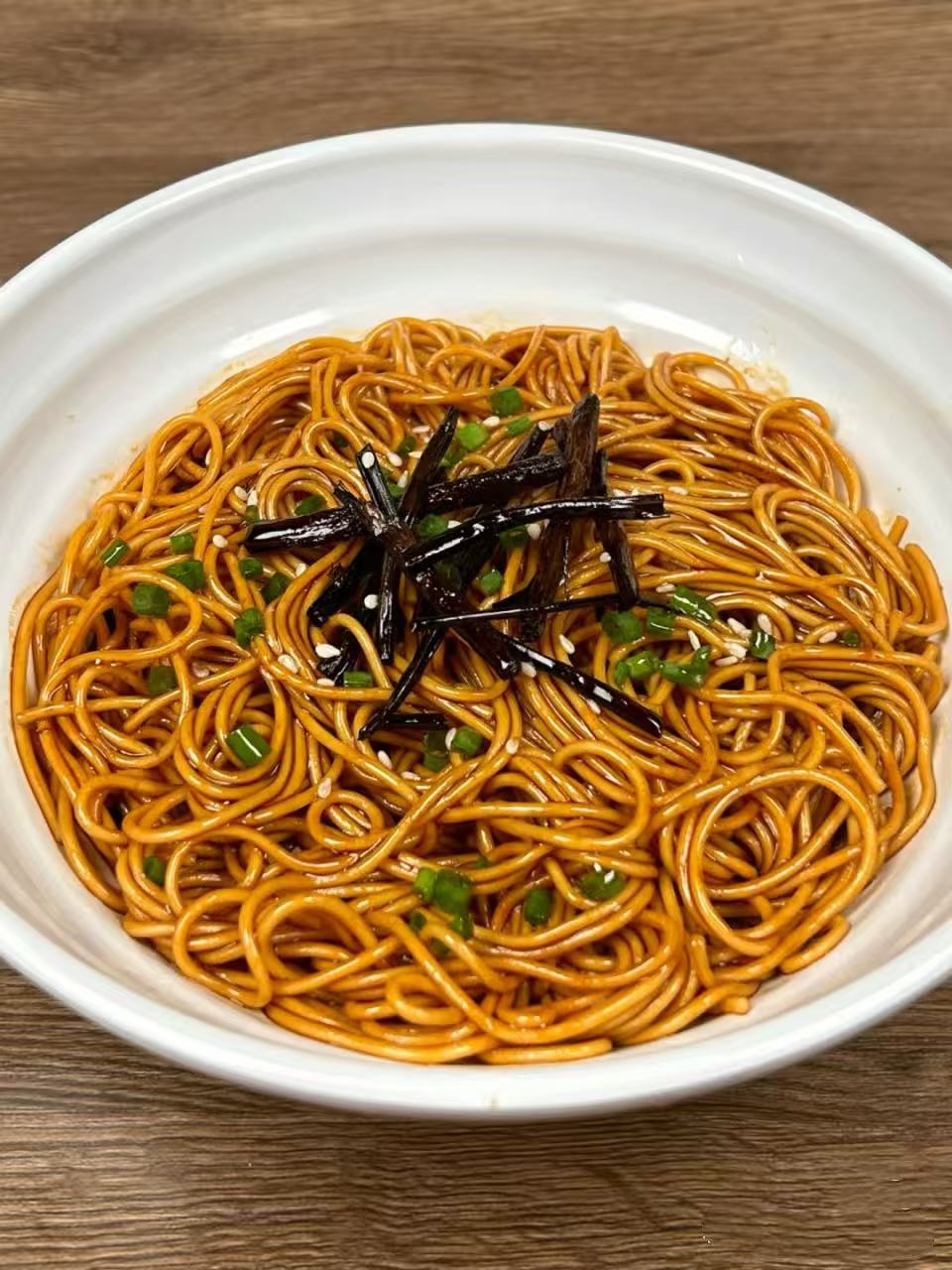
Scallion oil noodles—congyou banmian (葱油拌面, often simply 葱油面)—turn a short ingredient list into a satisfying Shanghai food stop. The noodles are tossed rather than served in a bowl of broth, and much of their character comes from fragrant scallion oil. This guide helps you recognise the dish, order a version that suits you and fit a noodle stop into a relaxed city day.
| Chinese name | 葱油拌面 · cōng yóu bàn miàn |
| Style | Noodles tossed with scallion oil and soy-based seasoning. |
| Useful distinction | Banmian means mixed or tossed noodles; do not expect a noodle soup. |
| What to ask | Portion size, toppings and whether dried shrimp or meat-based ingredients are used. |
| Planning tip | Choose a shop near the neighbourhood you already plan to explore. |
In this guide
- What to expect
- How to enjoy your bowl
- Ordering and ingredients
- Finding a noodle stop
- Pairing noodles with a Shanghai walk
- Common questions
- Explore with a local host
What makes scallion oil noodles special?
Shanghai’s official food introduction describes a dish built around aromatic scallions, oil, soy seasoning and noodles that hold the sauce. The scallions are cooked until fragrant, giving the finished bowl a different character from simply adding raw green onion to plain noodles. Official Shanghai introduction to scallion oil noodles.
Look for the contrast between a glossy coating and the texture of the noodles. The dish can be quite simple to look at; its appeal is in the flavour and the way the sauce clings to each strand. A larger collection of toppings is not automatically a better version—start with a straightforward bowl if you want to understand the base dish.
How to enjoy your bowl
The official city guide recommends mixing the noodles so the scallion oil and seasoning coat them evenly. Sauce can collect below the first layer of noodles, so take a moment before judging the first bite. Shanghai’s 2026 guide to the dish.
- Loosen and toss. Lift small portions with your chopsticks and mix from the bottom of the bowl.
- Taste before adjusting. Try the balanced bowl before adding anything else from the table.
- Keep the pace comfortable. Eat while the noodles are enjoyable to you, without rushing a hot bowl.
- Order a sensible first portion. Leave room if you plan to try another snack later.
Ask for a spoon or another utensil if you need one. You do not have to use chopsticks perfectly to enjoy a local meal, and it is easier to ask at the start than struggle with the whole bowl.
Ordering and ingredients
Some versions include dried shrimp, while others add optional toppings. A plain-looking bowl is not proof that the recipe is vegetarian. Confirm the ingredients and any broth or seasoning used, particularly when a dietary requirement matters. The range of toppings is noted in the official city guide.
- Say or show 葱油拌面 when ordering.
- Check the number of portions and any extra charge for toppings.
- If you prefer a simple first tasting, ask what is included in the standard bowl.
- If avoiding meat or seafood, ask about the sauce as well as the visible toppings.
- For dietary restrictions, let the restaurant confirm what it can provide.
For a more substantial meal, choose an additional dish that suits your appetite rather than automatically increasing the noodle portion. If sharing, decide whether to order separate bowls or request small plates.
Finding a noodle stop in Shanghai
The city’s 2026 food guide lists examples including Longtang Wonton House on Weihai Road and Cang Lang Ting on Sinan Road. Use these as starting points for research, not a promise of unchanged branches, opening hours or prices. Check the current location and menu before making a detour. Official guide and listed examples.
A convenient noodle shop near your sightseeing route can make a better stop than a long trip made solely for a famous name. Consider seating, your available time and what else you want to see in that area. If a shop is busy, keep another nearby option in mind instead of turning the queue into the main activity.
Pair noodles with a relaxed Shanghai walk
Treat the meal as a pause in your day. Explore one neighbourhood, sit down for noodles, and then continue with architecture, shops or another short walk. A noodle bowl is usually easier to enjoy when it does not compete with several consecutive tastings.
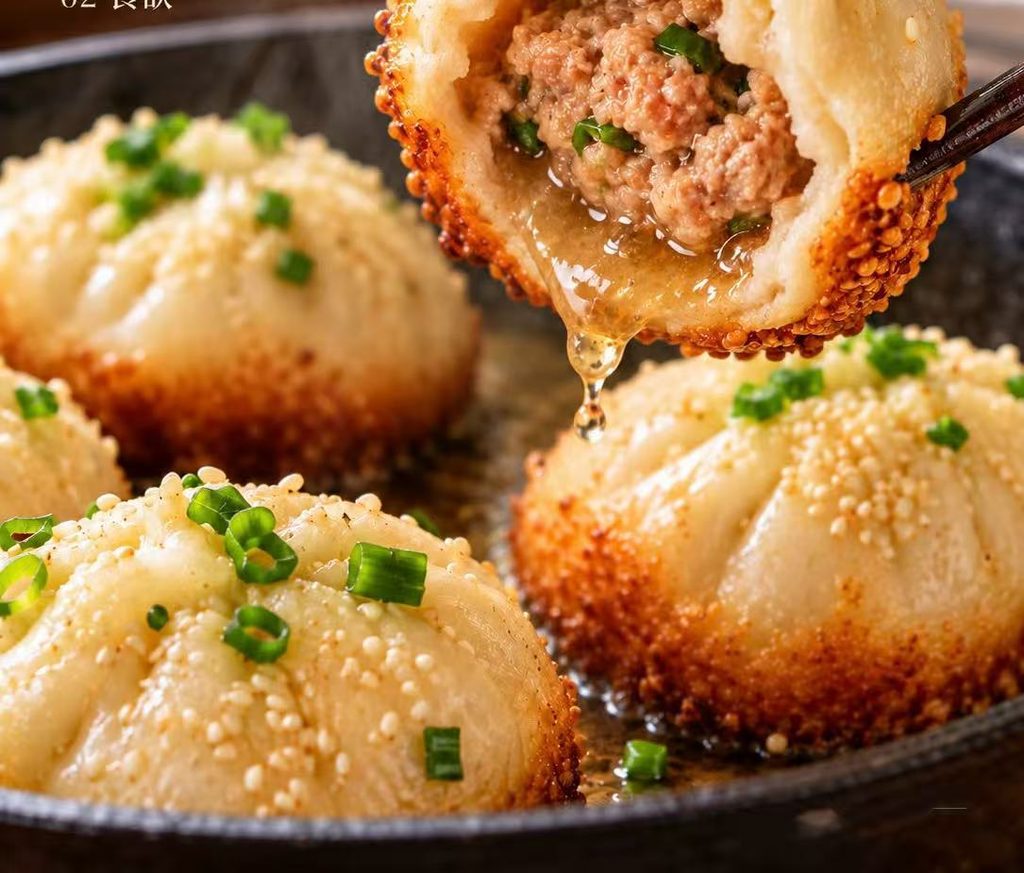
If you want a contrast, read our xiaolongbao guide before planning a second stop. Steamed soup dumplings and a bowl of tossed noodles offer different textures, so there is no need to order everything at the same venue.
Common questions
Are scallion oil noodles always vegetarian?
No assumption should be made from the dish name. Ask the restaurant about dried shrimp, stock, sauces and optional toppings before ordering.
Is this the same as scallion pancakes?
No. Congyou banmian is a noodle dish. Scallion pancakes are a separate item, so show the Chinese name if the English menu is unclear.
Can I make this a quick food stop?
Yes, but allow for ordering, seating and any queue. Pick a shop near your route and keep the rest of the day flexible.
Explore Shanghai with a local host
For help combining neighbourhood walks and a food stop, view the Shanghai One-Day Private Tour. Tell Echo that scallion oil noodles are a priority so the venue, timing and any additional charge can be discussed. A listed local snack or light meal does not guarantee this dish or a particular restaurant.
Prefer a shorter or different arrangement? Browse local host services and describe your plans before booking.
Sources and update note
Information checked on 13 October 2026. The planning suggestions are editorial advice, not a fixed tour programme. Check current venue notices and menus before a visit.