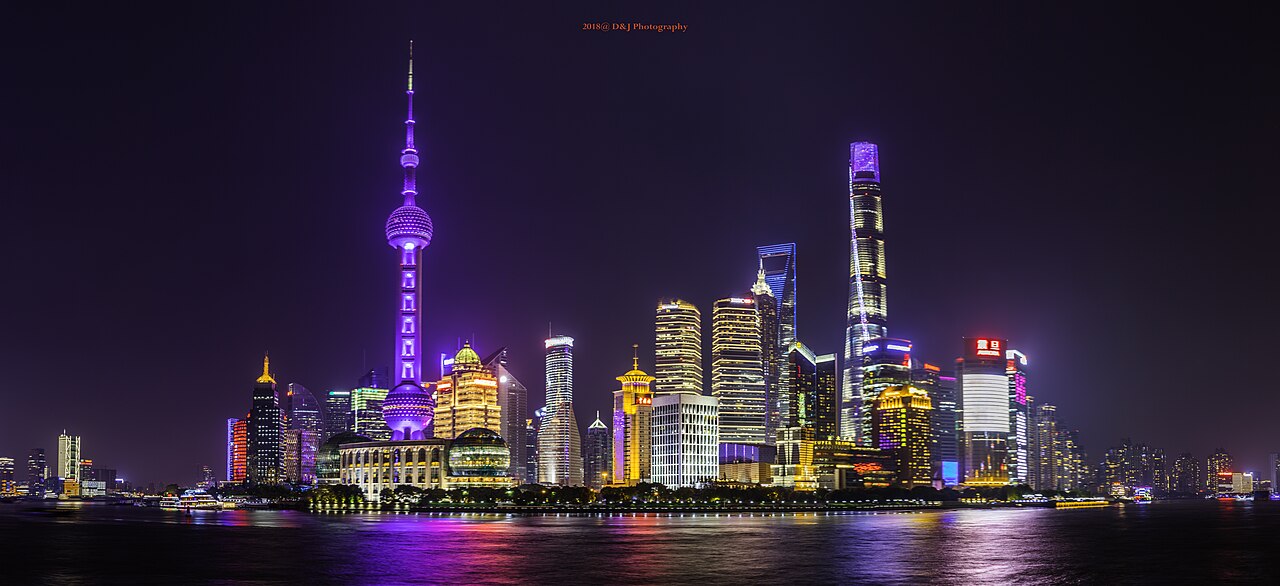
Tag: Shanghai Skyline

  • The Bund Guide: Shanghai Waterfront and Skyline

    The Bund Guide: Shanghai Waterfront and Skyline

    The Bund (外滩, Waitan) is a place to understand Shanghai by looking in two directions: toward its historic waterfront buildings and across the Huangpu River to Pudong’s modern towers. You do not need a complicated itinerary to enjoy it. This guide helps you plan a manageable walk, choose a photography time and combine the waterfront with nearby sightseeing.

    What and where is the Bund?

    Shanghai’s municipal visitor guide describes the Bund as a roughly 1.5-kilometer waterfront and protected historic district in central Shanghai. It sits on the west side of the Huangpu River, with the historic building frontage behind the promenade and Lujiazui across the water. This classic Bund is distinct from the North Bund and the West Bund; check the map location when arranging a meeting or booking a hotel.

    Quick planning essentials

    • Chinese map search: 外滩. Confirm the exact meeting point, not just the district name.
    • Time allowance: as a planning suggestion, reserve 45–90 minutes for a relaxed walk and photographs, with more time for a meal or an architectural detour.
    • Admission: an ordinary walk along the public promenade does not require an observation-deck ticket. Cruises, attractions and access inside buildings are separate. Temporary crowd controls can change access.
    • Clothing: bring comfortable walking shoes and a layer suited to the weather; exposed waterfront conditions may feel different from sheltered streets.

    A simple first-visit walk

    Start where your transport route or host makes arrival easiest. A central stretch of the waterfront is enough to appreciate the contrast between the two banks. Pause to look across at the distinctive spheres of the Oriental Pearl Tower, then turn back toward the historic frontage. Use designated crossings when moving between the riverside and the buildings.

    Rather than trying to photograph every landmark from one spot, walk a short distance and compare the changing angles. If you still have time and energy, continue toward the northern end and the Suzhou Creek area. Keep your route flexible around weather, crowds and any temporary access instructions.

    Daytime or evening?

    • Daytime: useful for observing the building details and the river’s geography. Visibility matters more than a particular clock time.
    • Late afternoon: can combine daylight with an evening atmosphere, but allow for the season’s sunset time and leave space for a break.
    • Evening: offers opportunities to photograph illuminated buildings and reflections. Lighting schedules vary; do not plan around an unverified promise that every building will be lit at a fixed time.

    Photography without rushing

    Take a wide image to show the river and skyline, then a closer architectural detail for contrast. Keep the horizon level and use the railing as a boundary, not a place to climb. Wait for space instead of stepping into another visitor’s photograph. If you are using a tripod or professional equipment, check current local restrictions and keep pedestrian routes clear.

    The Oriental Pearl Tower guide explains the difference between seeing the tower from the Bund and visiting its interior viewpoint. A photograph from this bank does not require crossing to Pudong.

    Getting there and crossing the river

    Use your map app to select the appropriate station, exit and final walking route for the section of the Bund you want to visit. For a taxi or private car, agree on a legal drop-off point and walk the final stretch if required. Busy traffic and crowd controls can make a door-to-promenade arrival unrealistic.

    Lujiazui is on the opposite bank. To visit both sides, plan an actual river crossing by current metro, road or ferry services. A ferry is transport, while a sightseeing cruise is a different product; check the boarding pier, destination and operating times before paying.

    Combine the Bund with Shanghai’s old city

    One possible day pairs Yu Garden and the surrounding old-city streets with a later Bund walk. Visit the ticketed garden during its confirmed opening hours, leave time for lunch, and approach the waterfront without a tight connection. This is an editorial route suggestion, not a fixed tour schedule.

    Frequently asked questions

    Do I need a cruise to enjoy the skyline?

    No. The public waterfront offers a different perspective from a boat. Choose a cruise only if the route, timing and boarding arrangements fit your plans.

    Can I enter the historic buildings?

    Do not assume every building is open to visitors. Hotels, businesses and other occupants have their own entry policies. Enjoy the architecture from public areas and ask before entering.

    Is it suitable for families or visitors with limited mobility?

    Choose a shorter section, plan breaks and check an accessible approach to the promenade in advance. Busy periods may make movement and meeting up more difficult; agree on a clear landmark and contact method.

    Explore with a local host

    The related Shanghai One-Day Private Tour can be a starting point for planning a day around the Bund, local neighborhoods and other interests. Ask your host to agree the meeting point, walking pace and any optional river crossing. Cruise tickets, meals and private building access are not automatically included simply because they appear in this guide.

    Sources and photo credit

    Information checked on 15 October 2026. Reference: Shanghai Municipal Government: The Bund. Walking times, route ideas and photography advice are SHOST editorial suggestions. Follow current local access instructions.

    Photo: Pudong night skyline viewed from the Bund in Shanghai (2018), David Zhang, Wikimedia Commons, CC BY-SA 2.0. Reused from SHOST’s media library at reduced resolution; responsive display may crop it. This archival photo shows the view from the Bund, not current lighting conditions.

  • Oriental Pearl Tower Guide: Planning Your Shanghai Visit

    Oriental Pearl Tower Guide: Planning Your Shanghai Visit

    The Oriental Pearl Tower (东方明珠) is one of Shanghai’s most recognizable landmarks, with its distinctive spheres rising above Lujiazui beside the Huangpu River. A visit can mean a skyline viewpoint, a closer look at the tower’s architecture, or a stop in a broader Pudong walk. This guide helps you choose between those experiences and plan your day without assuming every ticket includes the same attractions.

    Quick planning essentials

    • Location: No. 1 Century Avenue, Lujiazui, Pudong New Area, Shanghai. Search for 东方明珠广播电视塔 in your map app.
    • Published opening hours: Shanghai’s official tourism listing gives 8:00–22:00, with last entry at 21:00. Confirm the date-specific schedule before booking; these are reference hours, not a guarantee for every attraction inside.
    • Visit length: as an editorial planning allowance, set aside roughly 2–3 hours for an interior visit, with extra time for queues or a meal. A short exterior photo stop needs much less time.
    • Tickets: compare the included attractions, admission date and entry conditions. Do not assume a dining or cruise package is included with a standard sightseeing ticket.

    What makes the tower worth considering?

    The tower is 468 meters tall, but its appeal is not simply a height comparison. Its unusual shape is a familiar symbol of Shanghai, and the river-side setting helps connect the historic Bund with the modern Pudong skyline. Shanghai’s municipal visitor profile describes panoramic city views and a lower-sphere outdoor sightseeing corridor overlooking the Bund.

    If your priority is recognizing Shanghai’s classic skyline, seeing the tower from outside may be enough. If you enjoy looking down over the city and tracing the river and waterfront, consider an interior sightseeing visit. These are different experiences: the view of the tower and the view from the tower.

    Choosing tickets: check the inclusions first

    Before paying, open the attraction list for the exact ticket you intend to buy. Package names can be similar even when access differs. Use this checklist rather than relying on a single headline price:

    • Which observation areas are included? Are any areas temporarily closed?
    • Is a glass-floor experience, historical display, restaurant booking or other attraction explicitly listed?
    • Is river cruising included or sold separately? Where would that activity depart?
    • Is entry tied to a date, time window or named visitor? What documents must you bring?
    • What are the current child admission rules, refund conditions and final admission time?

    Use the tower’s official channels or a clearly identified authorized seller. Check that the ticket is for Oriental Pearl Tower, rather than Shanghai Tower or another nearby observation deck. This guide does not publish a fixed ticket price because packages and promotions need checking for your visit date.

    Daytime, sunset or evening?

    • Daytime: a useful choice when you want to identify buildings and follow the river’s shape. Check visibility rather than assuming a bright forecast means a clear skyline.
    • Late afternoon: consider arriving with enough time before sunset to pass entry checks and queues. Sunset timing changes through the year, and an entry time does not guarantee you will reach the viewing area at a particular moment.
    • Evening: suits visitors interested in city lights. Reflections on viewing windows can make photos harder; try a different angle and avoid flash.

    These are planning suggestions, not a promise of weather, lighting schedules or crowd levels. If the skyline is obscured, an exterior walk or another indoor activity may be a better use of your time than a viewpoint ticket.

    Getting there and finding the entrance

    For public transport, route to Lujiazui (陆家嘴) and follow the current station signs and map directions to the tower’s visitor entrance. Check the appropriate exit for your starting point and mobility needs rather than relying on an old exit number. For a taxi or private car, show the Chinese name and confirm the legal drop-off point with your driver.

    Lujiazui has busy roads, elevated pedestrian routes and several large attractions close together. Leave time for the final walk and check the entrance shown on your ticket. The tall tower is easy to spot; spotting it does not necessarily mean you are already at the admissions entrance.

    A relaxed Lujiazui and Bund itinerary

    A possible sequence is an Oriental Pearl visit, a meal or break in Lujiazui, then a Pudong riverside walk. Continue to the Bund later if you want to compare the two sides of the river. This is a suggested route, not a timed package: adjust it around your chosen ticket, weather and energy level.

    The Bund and Lujiazui are on opposite sides of the Huangpu River. Plan an actual crossing using current metro, road or ferry services; they are not connected by a simple riverside walk. Check the operating hours of your chosen crossing, especially after an evening visit.

    For a short stay, choose one paid viewpoint and allow more time at street level. Trying to fit several observation decks into the same afternoon can leave little time to enjoy the waterfront.

    Practical tips for families and first-time visitors

    • Check child admission conditions against the chosen ticket before purchasing.
    • If you need step-free access, stroller storage or other assistance, ask the venue about the exact areas you plan to visit.
    • A glass-floor experience is optional as a personal choice; confirm the available route if anyone in your group is uncomfortable with heights.
    • Keep some flexibility after the visit rather than booking another fixed-time activity immediately afterwards.
    • For photographs, respect barriers and visitor rules, keep bags close and allow other guests space at the windows.

    Frequently asked questions

    Is Oriental Pearl the same as Shanghai Tower?

    No. They are separate landmarks in Pudong. Check the attraction name carefully when booking and navigating; a ticket for one does not admit you to the other.

    Can I see it without buying an observation ticket?

    You can photograph the tower from public areas outside, subject to any local access restrictions. Paid interior sightseeing is a separate experience. From the Bund, the tower forms part of the Pudong skyline rather than a close-up architectural view.

    Is a restaurant visit included?

    Only if your selected product explicitly includes it. Confirm dining time, meal details and any observation access attached to that booking instead of treating dining as part of every entry ticket.

    Will my sightseeing tour include tower admission?

    Do not assume so. Confirm your preferred stop, ticket availability, entry charges and time allowance with your host before booking.

    Plan your Shanghai day with a local host

    The related Shanghai One-Day Private Tour is a starting point for discussing a day around your interests, including Lujiazui, the Bund and local neighborhoods. Ask whether an Oriental Pearl visit fits your route and whether you want exterior photos or an interior visit. Tower tickets, meals and cruises require explicit confirmation; this article does not add them to the product’s inclusions.

    Sources and information check

    Information checked on 15 October 2026. References: Shanghai Municipal Administration of Culture and Tourism: Oriental Pearl Radio & TV Tower and Shanghai Municipal Government: Oriental Pearl Tower. The operator’s website is orientalpearltower.com; live ticket products could not be independently loaded during this editorial check. Visit-duration estimates, photography tips and route suggestions are SHOST editorial guidance. Confirm current entry conditions with the venue before purchasing.

    Photo: Pudong night skyline viewed from the Bund in Shanghai (2018), by David Zhang, via Wikimedia Commons, CC BY-SA 2.0. Reused from the SHOST media library at a reduced resolution; responsive display may crop the photograph. This archival skyline image includes the Oriental Pearl Tower and does not document current lighting or access conditions.