Tag: Food Guide

  • Paigu Niangao Guide: Shanghai Pork Chop with Rice Cakes

    Paigu Niangao Guide: Shanghai Pork Chop with Rice Cakes

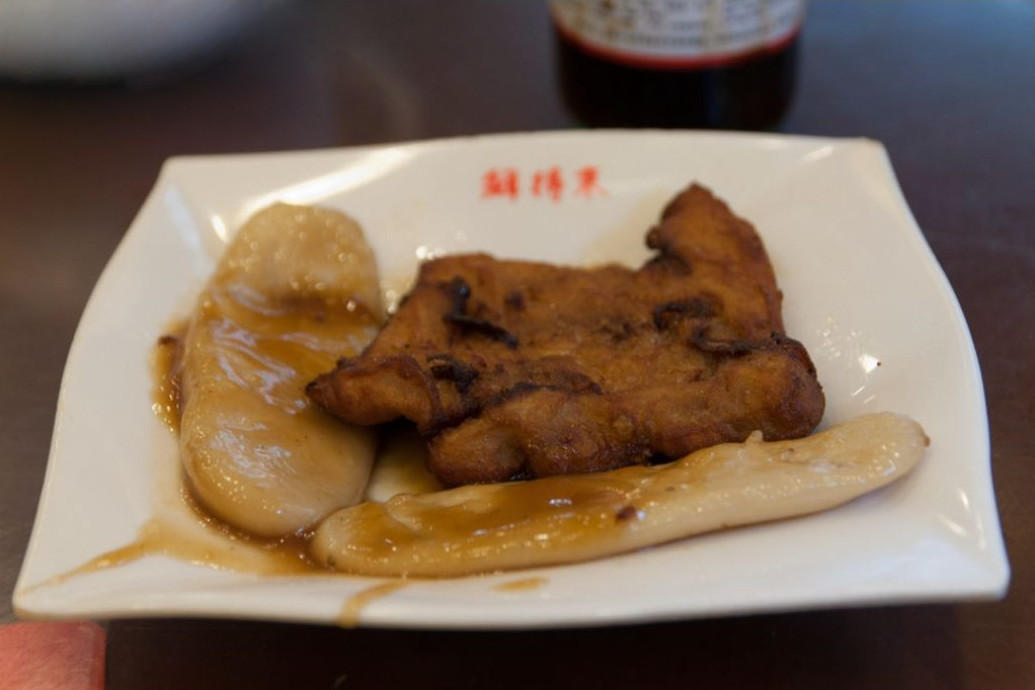
    Paigu niangao (排骨年糕) brings together a fried pork chop, chewy rice cakes and a savory-sweet sauce. It is a satisfying introduction to Shanghai’s everyday food culture—and a useful lunch stop between neighborhood walks. This guide explains what to order, how to recognize the dish and how to fit a tasting into your Shanghai visit.

    What is paigu niangao?

    The Chinese name combines paigu (pork ribs or a pork chop in this dish) with niangao (rice cakes). Expect a substantial piece of fried pork alongside rice cakes with a soft, chewy texture. These are savory rice cakes served as part of a meal, rather than a sweet dessert.

    The contrast is the attraction: richly seasoned meat, rice cakes that hold the sauce, and a combination of sweet and savory flavors. Preparation differs between shops. Shanghai’s official food guide distinguishes the thin-batter pork used in paigu niangao from the breadcrumb-coated chop associated with Shanghai-style Western cooking. Do not expect every version to look or crunch like a breaded cutlet.

    Where to start: Xian De Lai (鲜得来)

    Xian De Lai is a long-established name associated with this dish. Shanghai’s official visitor website dates its beginnings to 1921 and notes that its preparation technique is recognized as intangible cultural heritage in Huangpu district. Its connection with the Yunnan Road food area makes it a natural starting point when planning a central-Shanghai food stop.

    Before you go: search for 鲜得来排骨年糕 in your map app and confirm the exact branch, current address and opening hours. The municipal profile was published in 2024, so its listed street number should not be treated as a live location check. Check the current menu for prices; this guide does not quote an unverified meal cost.

    How to order: useful Chinese phrases

    • 一份排骨年糕,谢谢。 — One portion of pork chop with rice cakes, please.
    • 酱汁可以少一点吗? — Could you use a little less sauce?
    • 辣酱油可以放旁边吗? — Could you serve the Worcestershire-style sauce on the side?
    • 我们想分着吃。 — We would like to share.

    Show the first sentence on your phone if pronunciation feels difficult. Ask what comes with the portion before adding extra dishes, and confirm whether you order and pay at the counter or at the table.

    How to enjoy your first portion

    1. Try the pork and rice cakes separately first. Then take a bite of each together to appreciate the contrast.
    2. Taste before adding condiments. Shanghai’s la jiangyou (辣酱油) is a local Worcestershire-style condiment, rather than ordinary soy sauce. Its tangy flavor can change the balance of the dish.
    3. Take care around the bone. A pork chop may still contain a bone, even when cut into smaller pieces.
    4. Keep the rest of your food walk flexible. Start with one portion if you plan to share and taste several Shanghai snacks. Add another dish after judging the portion size.

    Fit it into a Shanghai sightseeing day

    Treat the meal as a stop within your day, rather than building your whole itinerary around a queue. One possible plan is a morning walk in central Shanghai, a paigu niangao lunch, and an afternoon exploring another neighborhood. Choose the sequence after confirming your restaurant branch and the places you want to visit.

    If you want a broader introduction to local food, compare this dish with xiaolongbao, shengjianbao and scallion oil noodles. They offer different textures and suit different appetites; you do not need to eat all four in one sitting.

    Frequently asked questions

    Is it the same as fried pork chop with rice?

    No. Order 排骨年糕 for pork with rice cakes. A dish served over ordinary steamed rice is a different order.

    Is it spicy?

    The usual appeal is savory-sweet rather than chili heat, but sauces and recipes vary. Ask about the seasoning and request condiments separately if you prefer a mild meal.

    Is it vegetarian or gluten-free?

    The standard dish contains pork. Rice cakes alone do not establish that the whole dish is gluten-free: batter, sauces and kitchen practices need checking with the restaurant. Tell staff your specific dietary requirements before ordering.

    Explore Shanghai with a local host

    The related Shanghai One-Day Private Tour can be a starting point for discussing a sightseeing day with local food interests. Ask your host whether a paigu niangao stop fits your preferred route. A visit to a particular restaurant or a serving of this dish is not automatically included; confirm arrangements and food costs before booking.

    Sources and photo credit

    Editorial information checked on 14 October 2026. References: Shanghai Municipal Government’s Pork Chops and Rice Cakes profile and its Deep-fried pork chop guide. Ordering phrases and itinerary suggestions are SHOST editorial guidance, rather than a claim of a restaurant visit.

    Photo: Paiguniangao by coolmanjackey, via Wikimedia Commons, CC BY-SA 3.0; using the Commons version edited by Edithsme. Converted from JPEG to PNG without changing the picture; responsive display may crop it. The photograph depicts the dish and is not a current restaurant or portion-size guarantee.
  • Shengjianbao Guide: Shanghai Pan-Fried Buns

    Shengjianbao Guide: Shanghai Pan-Fried Buns

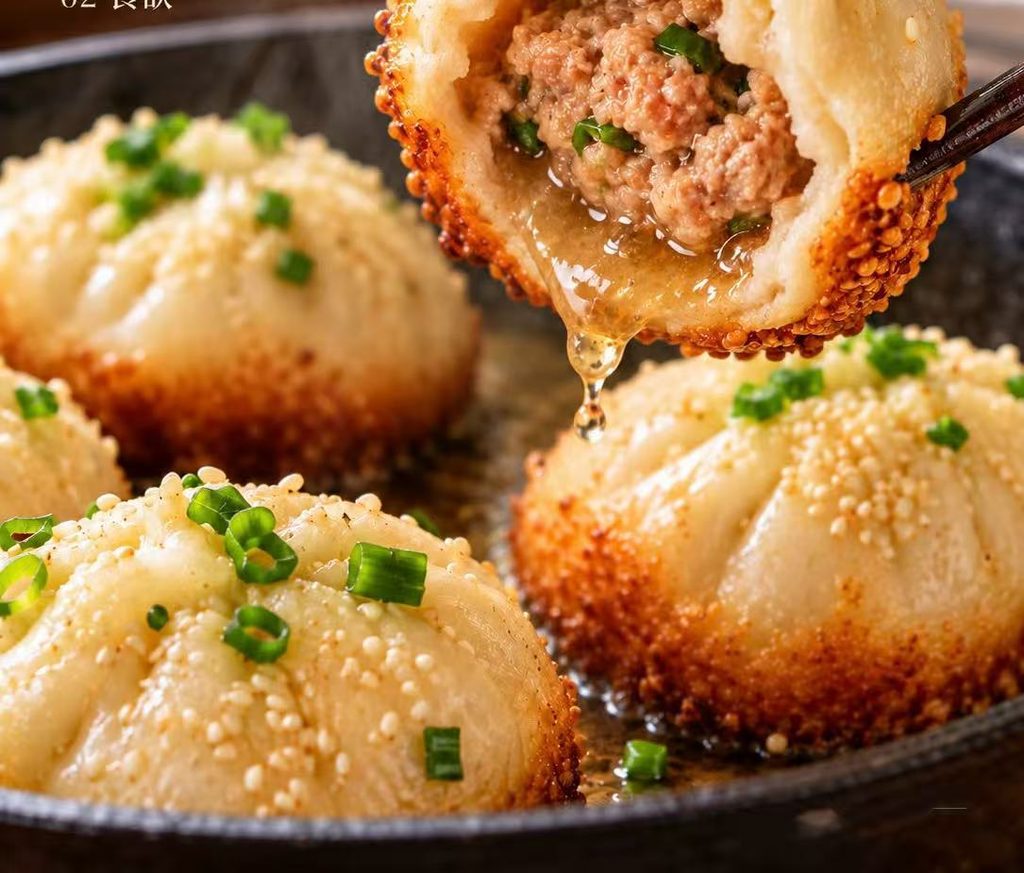
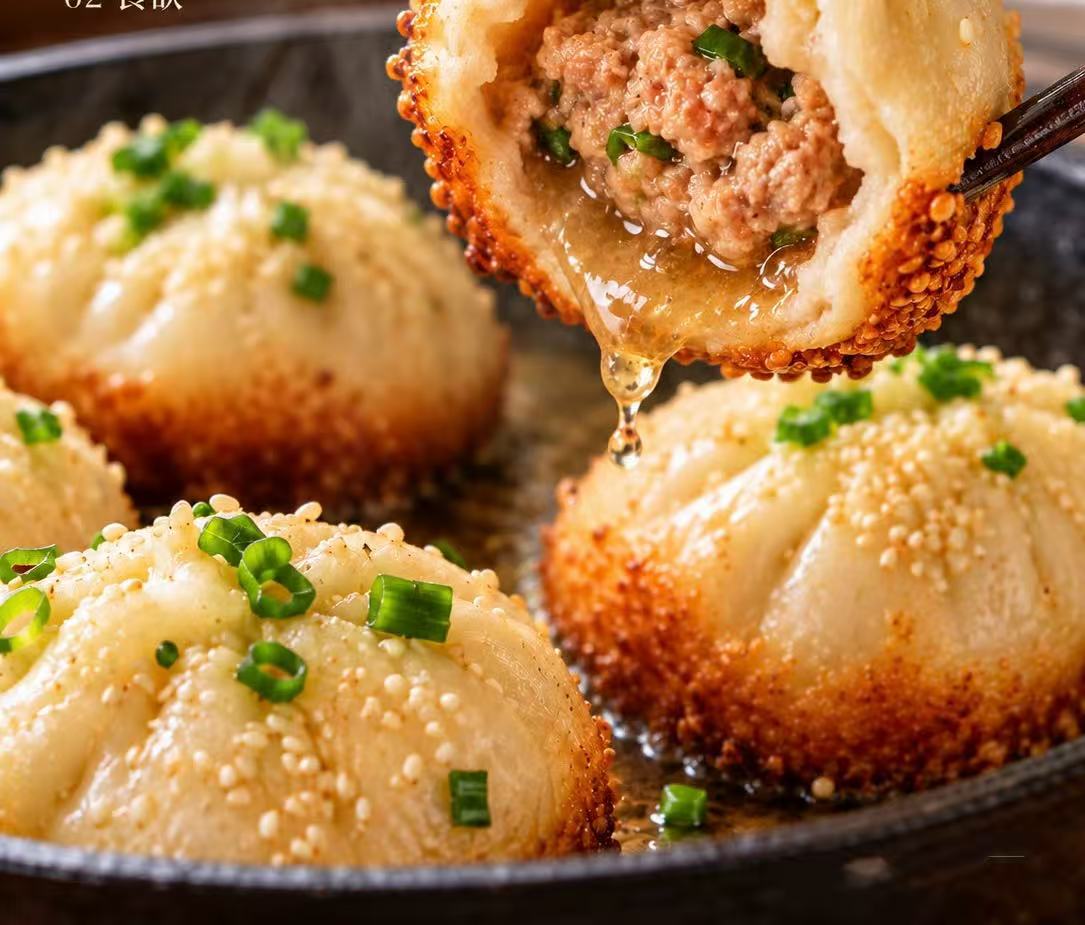
    Shengjianbao (生煎包), also called shengjian mantou (生煎馒头), are a familiar Shanghai snack with a crisp pan-fried base and a softer upper wrapper. Some versions carry plenty of hot broth; others are more bread-like. This guide helps you recognise the differences, order a manageable first serving and enjoy the buns without treating every shop as a competition.

    Chinese names生煎包 / 生煎馒头 / 生煎
    Cooking stylePan-fried buns with a crisp base.
    Classic fillingPork is common; confirm the filling and ingredients on the menu.
    First-time tipSupport a bun on a spoon and let hot filling cool before tasting.
    Compared with xiaolongbaoA fried base and a different wrapper, rather than a fully steamed dumpling.

    In this guide

    What to expect from shengjianbao

    Shanghai’s official introduction describes buns cooked in a pan until the bases become golden and crisp, with scallion and sesame used as finishing touches. The upper dough and the filling create a different texture from the base. Official Shanghai introduction to pan-fried buns.

    Notice the base, wrapper and filling as separate elements when you taste. The appeal is not only the amount of soup. A bun with a softer, more bread-like wrapper can still be enjoyable, especially if that is the style you prefer.

    Why styles differ

    The city’s 2026 food guide distinguishes soup-filled hunshui styles from qingshui versions that rely more on the meat’s own juices and a bread-like dough. This explains why two shops can serve noticeably different buns under the same general name. Official guide to shengjian styles.

    Ask about the shop’s style if you have a preference. If you already know xiaolongbao, do not expect every shengjian to contain the same kind of broth or wrapper. Try a small serving before deciding whether to order more.

    How to eat shengjian comfortably

    1. Use a spoon for support. Move the bun carefully rather than squeezing it between chopsticks.
    2. Open a small part of the wrapper. Let steam escape and give the filling time to cool.
    3. Taste gently. A soup-filled version can release liquid unexpectedly if you take a large first bite.
    4. Enjoy the crisp base. Finish the dough and filling at a comfortable pace; add vinegar if you like it.

    The city guide describes eating the broth, filling and fried dough in stages. Treat that as a helpful approach rather than a performance rule. If a bun breaks, use the spoon to catch the filling and continue. Official tasting guidance.

    Ordering your first serving

    Some traditional shops describe a serving using liang (两). The official city guide explains the familiar four-bun ordering convention, but portions and pricing still need to be checked at the specific shop. Ask how many buns you will receive before paying. Serving conventions in the official guide.

    • Start with a small serving if you plan to taste other foods.
    • Confirm whether the filling is pork, seafood or another option.
    • Sesame and other toppings may be present; ask when ingredients matter to you.
    • Check the menu price for your actual portion, rather than relying on a photograph online.
    • Let children’s portions cool and help them handle any hot broth.

    Finding a shengjian shop in Shanghai

    The official 2026 city guide lists examples such as Da Hu Chun, Dong Tai Xiang and Yang’s Fry-Dumpling. They illustrate different approaches; this article is not a ranking or a guarantee about a current branch. Confirm the shop, menu and opening arrangements for the day you visit. Official restaurant examples.

    Choose a stop that fits your neighbourhood plan. Think about whether you want a seated meal, a quick snack or a tasting shared with your group. A backup option nearby makes the visit easier if the first shop has a long queue.

    Pairings and a relaxed city route

    Shengjian can be the main snack or part of a larger meal. Start with the buns, then decide whether you want a drink, soup or another dish. Avoid filling the whole day with consecutive tastings if you also want time to explore.

    Steamed xiaolongbao in a bamboo basket, a different Shanghai dish from pan-fried shengjianbao
    Xiaolongbao are steamed soup dumplings. Their softer wrapper makes a useful contrast with the fried base of shengjian; image from SHOST’s media library.

    For a comparison, see our xiaolongbao guide. Keep portions modest and allow a walk between food stops, rather than trying to compare several full meals at once.

    Common questions

    Are all shengjian filled with lots of soup?

    No. Styles differ, so ask what the shop makes and choose according to your own preference.

    Does mantou mean an unfilled bun here?

    The local name shengjian mantou can refer to filled pan-fried buns. Do not assume it is a plain steamed bun solely from the word mantou.

    Can I request a food stop during a city tour?

    Yes, discuss the preference before booking. The venue and dish need to fit the day’s arrangements rather than being assumed from a general tour description.

    Explore Shanghai with a local host

    The Shanghai One-Day Private Tour can be discussed around city sights and local interests. Tell Echo that you would like to try shengjian, and confirm a possible stop, ingredients and any additional charge. A product’s local snack or light meal inclusion does not guarantee a particular dish or restaurant.

    Sources and update note

    Information checked on 13 October 2026. The planning suggestions are editorial advice, not a fixed tour programme. Check current venue notices and menus before a visit.

  • Scallion Oil Noodles Guide: Congyou Banmian in Shanghai

    Scallion Oil Noodles Guide: Congyou Banmian in Shanghai

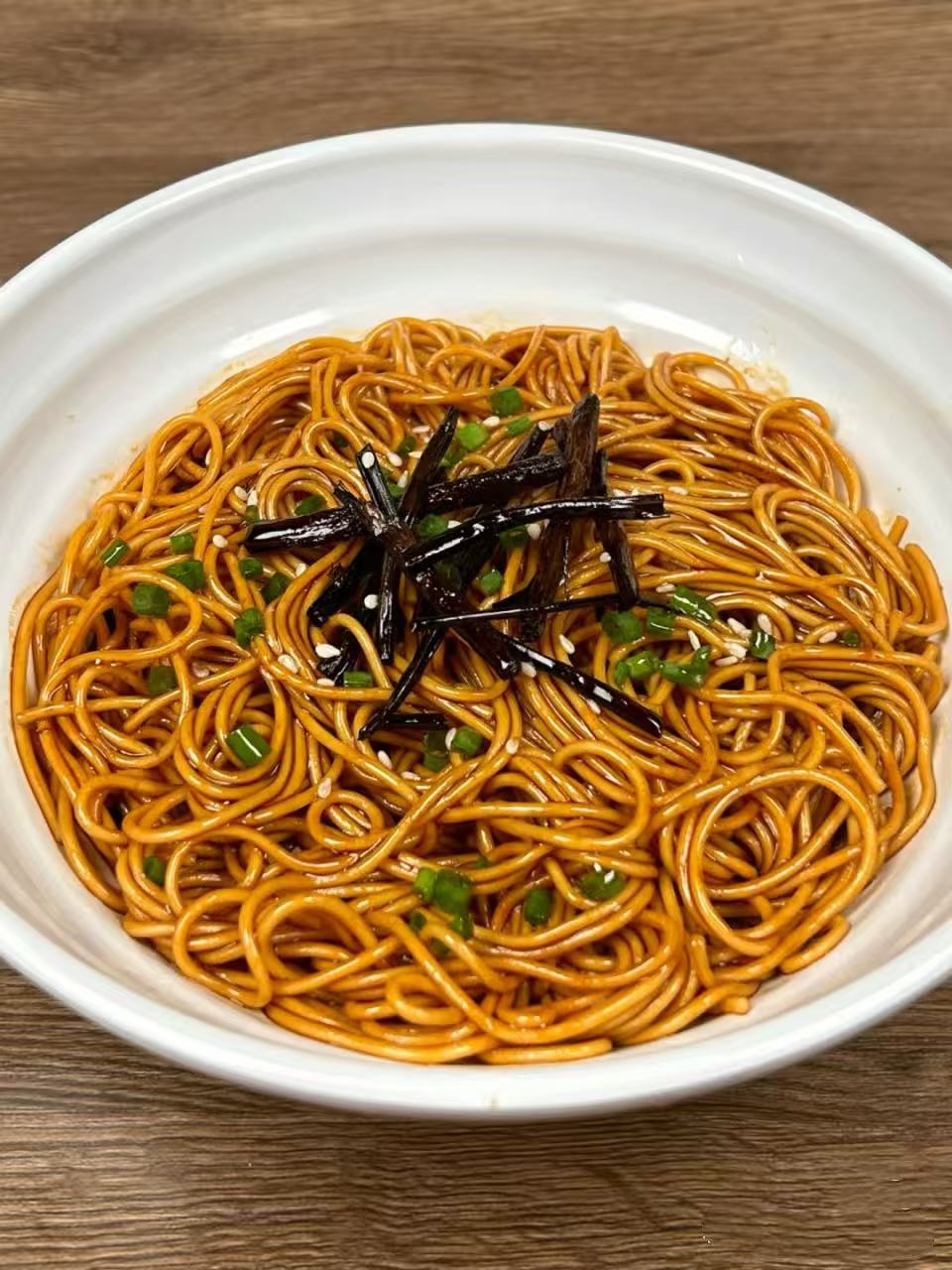
    Scallion oil noodles—congyou banmian (葱油拌面, often simply 葱油面)—turn a short ingredient list into a satisfying Shanghai food stop. The noodles are tossed rather than served in a bowl of broth, and much of their character comes from fragrant scallion oil. This guide helps you recognise the dish, order a version that suits you and fit a noodle stop into a relaxed city day.

    Chinese name葱油拌面 · cōng yóu bàn miàn
    StyleNoodles tossed with scallion oil and soy-based seasoning.
    Useful distinctionBanmian means mixed or tossed noodles; do not expect a noodle soup.
    What to askPortion size, toppings and whether dried shrimp or meat-based ingredients are used.
    Planning tipChoose a shop near the neighbourhood you already plan to explore.

    In this guide

    What makes scallion oil noodles special?

    Shanghai’s official food introduction describes a dish built around aromatic scallions, oil, soy seasoning and noodles that hold the sauce. The scallions are cooked until fragrant, giving the finished bowl a different character from simply adding raw green onion to plain noodles. Official Shanghai introduction to scallion oil noodles.

    Look for the contrast between a glossy coating and the texture of the noodles. The dish can be quite simple to look at; its appeal is in the flavour and the way the sauce clings to each strand. A larger collection of toppings is not automatically a better version—start with a straightforward bowl if you want to understand the base dish.

    How to enjoy your bowl

    The official city guide recommends mixing the noodles so the scallion oil and seasoning coat them evenly. Sauce can collect below the first layer of noodles, so take a moment before judging the first bite. Shanghai’s 2026 guide to the dish.

    1. Loosen and toss. Lift small portions with your chopsticks and mix from the bottom of the bowl.
    2. Taste before adjusting. Try the balanced bowl before adding anything else from the table.
    3. Keep the pace comfortable. Eat while the noodles are enjoyable to you, without rushing a hot bowl.
    4. Order a sensible first portion. Leave room if you plan to try another snack later.

    Ask for a spoon or another utensil if you need one. You do not have to use chopsticks perfectly to enjoy a local meal, and it is easier to ask at the start than struggle with the whole bowl.

    Ordering and ingredients

    Some versions include dried shrimp, while others add optional toppings. A plain-looking bowl is not proof that the recipe is vegetarian. Confirm the ingredients and any broth or seasoning used, particularly when a dietary requirement matters. The range of toppings is noted in the official city guide.

    • Say or show 葱油拌面 when ordering.
    • Check the number of portions and any extra charge for toppings.
    • If you prefer a simple first tasting, ask what is included in the standard bowl.
    • If avoiding meat or seafood, ask about the sauce as well as the visible toppings.
    • For dietary restrictions, let the restaurant confirm what it can provide.

    For a more substantial meal, choose an additional dish that suits your appetite rather than automatically increasing the noodle portion. If sharing, decide whether to order separate bowls or request small plates.

    Finding a noodle stop in Shanghai

    The city’s 2026 food guide lists examples including Longtang Wonton House on Weihai Road and Cang Lang Ting on Sinan Road. Use these as starting points for research, not a promise of unchanged branches, opening hours or prices. Check the current location and menu before making a detour. Official guide and listed examples.

    A convenient noodle shop near your sightseeing route can make a better stop than a long trip made solely for a famous name. Consider seating, your available time and what else you want to see in that area. If a shop is busy, keep another nearby option in mind instead of turning the queue into the main activity.

    Pair noodles with a relaxed Shanghai walk

    Treat the meal as a pause in your day. Explore one neighbourhood, sit down for noodles, and then continue with architecture, shops or another short walk. A noodle bowl is usually easier to enjoy when it does not compete with several consecutive tastings.

    Shanghai pan-fried shengjianbao, a separate snack to consider alongside a noodle stop
    Shengjianbao are a different dish. Keep portions small if combining several Shanghai foods; image from SHOST’s media library.

    If you want a contrast, read our xiaolongbao guide before planning a second stop. Steamed soup dumplings and a bowl of tossed noodles offer different textures, so there is no need to order everything at the same venue.

    Common questions

    Are scallion oil noodles always vegetarian?

    No assumption should be made from the dish name. Ask the restaurant about dried shrimp, stock, sauces and optional toppings before ordering.

    Is this the same as scallion pancakes?

    No. Congyou banmian is a noodle dish. Scallion pancakes are a separate item, so show the Chinese name if the English menu is unclear.

    Can I make this a quick food stop?

    Yes, but allow for ordering, seating and any queue. Pick a shop near your route and keep the rest of the day flexible.

    Explore Shanghai with a local host

    For help combining neighbourhood walks and a food stop, view the Shanghai One-Day Private Tour. Tell Echo that scallion oil noodles are a priority so the venue, timing and any additional charge can be discussed. A listed local snack or light meal does not guarantee this dish or a particular restaurant.

    Prefer a shorter or different arrangement? Browse local host services and describe your plans before booking.

    Sources and update note

    Information checked on 13 October 2026. The planning suggestions are editorial advice, not a fixed tour programme. Check current venue notices and menus before a visit.

  • Xiaolongbao Guide: Shanghai Soup Dumplings & How to Eat Them

    Xiaolongbao Guide: Shanghai Soup Dumplings & How to Eat Them

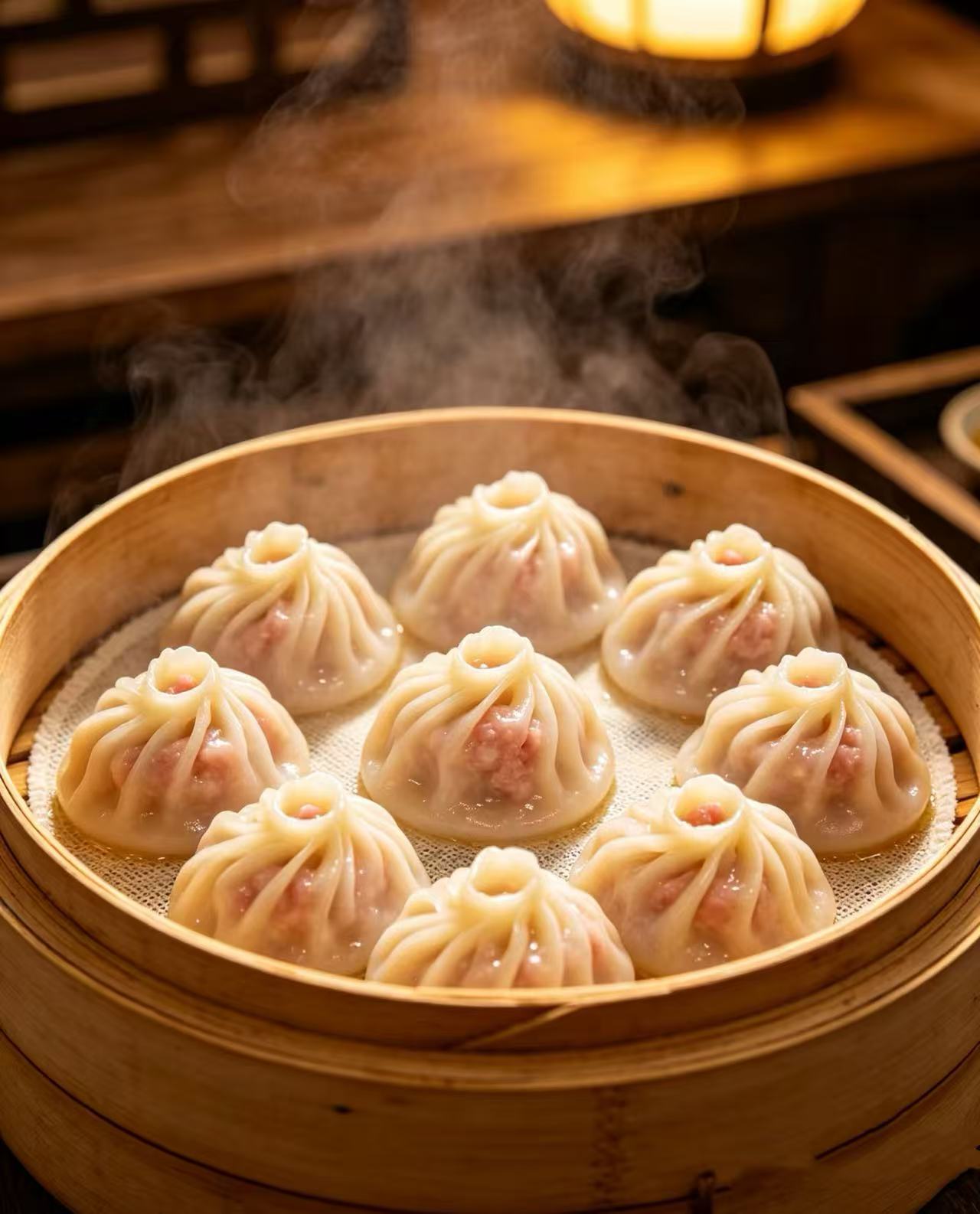
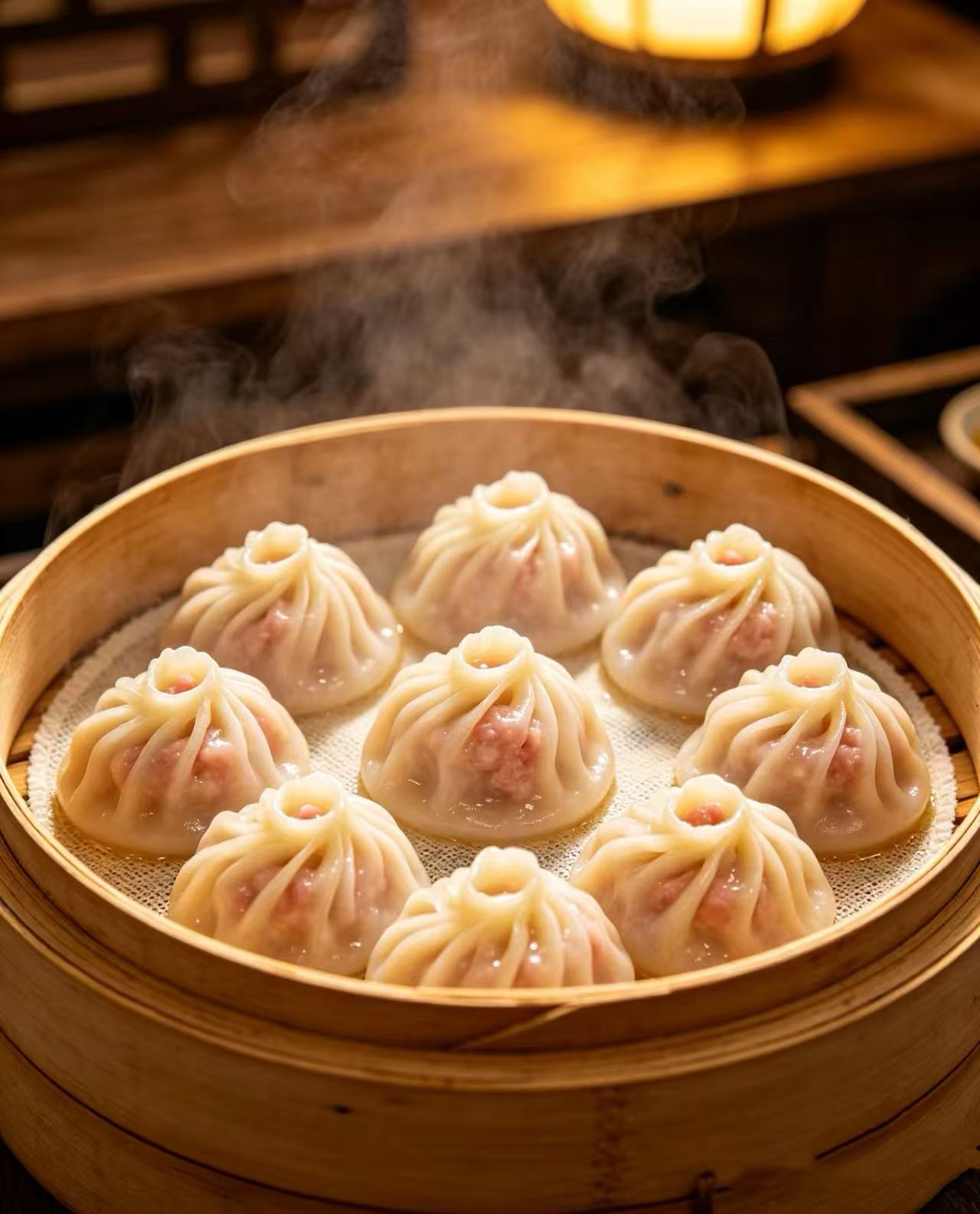
    A bamboo steamer arrives at the table, the lid lifts, and a row of neatly folded dumplings appears. Xiaolongbao (小笼包) are one of Shanghai’s most recognisable food experiences—but the first bite is easier when you know what is inside and how to order. This guide explains the dish, a practical way to eat it and how to fit a tasting into a day exploring the city.

    Start with the soup, not a large first bite

    A freshly steamed dumpling holds hot broth inside a delicate wrapper. Place it on a spoon, release a little steam and let it cool before tasting. Take your time: the first basket is an experience, not a race.

    Chinese name小笼包 · xiǎolóngbāo
    What it isA small steamed dumpling with a thin wrapper, filling and soup inside.
    Classic starting pointPork xiaolongbao; check the exact filling and ingredients when ordering.
    Common accompanimentChinese black vinegar and shredded ginger, used to taste.
    Useful distinctionXiaolongbao are steamed; shengjianbao are pan-fried buns with a crisp base.

    In this guide

    What makes xiaolongbao special?

    The pleasure comes from three elements working together: a delicate wrapper, a savoury filling and broth enclosed inside. During steaming, the jellied stock in the filling melts into soup. Shanghai’s official culinary guide describes the Nanxiang style as a thin-skinned dumpling traditionally made with pork and jellied pork skin. Read the official culinary overview.

    “Soup dumpling” means that the soup is inside the dumpling, rather than simply a dumpling served in a bowl of soup. MICHELIN’s dumpling overview makes the same distinction. Knowing this helps when you compare xiaolongbao with wonton soup or other dumplings on a menu.

    Nanxiang, in Shanghai’s Jiading District, is closely associated with the dish. Shanghai’s official introduction traces the modern Nanxiang version to the nineteenth century. For visitors, the useful point is that this is a local food tradition with different makers and styles—not a dish that needs to be judged by one rigid ranking. The city’s introduction to xiaolongbao.

    How to eat soup dumplings

    Shanghai’s official food introduction recommends moving the dumpling gently onto a spoon, opening the wrapper and tasting the soup before eating the rest. The following is a practical version of that approach.

    1. Prepare your spoon. Keep it close to the steamer so that a dumpling does not need to travel far.
    2. Lift gently. Use chopsticks carefully and support the dumpling on the spoon. Avoid squeezing the wrapper.
    3. Release the steam. Make a small opening in the wrapper and pause before sipping; fresh broth can be very hot.
    4. Taste the soup. Sip carefully once it is comfortable to do so. A spoon also catches broth if the wrapper splits.
    5. Finish the dumpling. Add a little vinegar and ginger if you enjoy them, rather than overwhelming your first taste.

    You do not have to perform the process perfectly. If a wrapper breaks, keep the filling and broth on your spoon and continue. Ask for another spoon if sharing makes the table awkward, and let children’s portions cool before helping them taste.

    Ordering your first basket

    Start with one classic filling that everyone at the table understands, then decide whether to try another basket. Portion sizes vary, so check how many dumplings are included and whether the listed price is per basket or per serving. A small first order leaves room to compare another snack later.

    • Classic pork: a straightforward way to understand the balance of wrapper, meat and broth.
    • Crab or crab roe: ask exactly what the filling contains; a crab-labelled dumpling may also contain pork.
    • Vegetable or other fillings: do not assume the broth and seasoning are vegetarian solely from the name. Confirm with the restaurant.
    • Condiments: taste a dumpling before deciding how much vinegar or ginger you want.

    If ingredients matter to you, describe the requirement clearly rather than relying on a photo menu. Ask about the filling, broth and shared preparation equipment. A host can help with the conversation, but the restaurant needs to confirm what it can provide.

    Where to try xiaolongbao in Shanghai

    Choose a location that fits the rest of your day. A famous name can be enjoyable, but a convenient stop with time to sit down may suit your visit better than crossing the city for a queue.

    The Yuyuan and old-city area

    Shanghai’s official food guide lists Nanxiang Steam Bun Restaurant (南翔馒头店) in the Yuyuan area as a longstanding example. This can be a useful food stop alongside old-city sightseeing. Confirm the current branch, menu and seating arrangements before going; the area is larger than the garden entrance alone.

    Central Shanghai and neighbourhood options

    The same official guide includes Jia Jia Tang Bao (佳佳汤包), associated with Huanghe Road, and Wan Shou Zhai (万寿斋) in Hongkou. These are examples to consider when planning a route, not a promise of current opening hours, a particular queue length or a fixed menu. Official Shanghai guide and restaurant examples.

    Nanxiang as a separate excursion

    If the history of the dish interests you, consider Nanxiang as a separate part of your itinerary rather than assuming it is next to Yuyuan. Shanghai’s official Nanxiang destination page is a useful starting point. Allow time for the journey and decide whether the outing is mainly about food, gardens or the old streets.

    Xiaolongbao versus shengjianbao

    Both are worth understanding when reading a Shanghai snack menu. Xiaolongbao give you a soft, steamed wrapper and enclosed broth. Shengjianbao are pan-fried buns, recognisable by their crisp base. They are a different eating experience, so choosing one does not mean you have tried the other.

    For a simple comparison, try a small serving of each at separate stops and leave time between them. Focus on what you enjoy—soft wrapper, broth, crispness or filling—rather than trying to order every variation at once.

    Shanghai shengjianbao with crisp pan-fried bases, a different dish from steamed xiaolongbao
    Shengjianbao are pan-fried buns: compare their crisp base with the soft wrapper of steamed xiaolongbao. Image from SHOST’s media library.

    Build a relaxed Shanghai food stop

    • Pick one area that already fits your sightseeing route.
    • Choose a first basket and a drink before adding more dishes.
    • Leave a little time for a queue, ordering and letting the food cool.
    • Combine the stop with a short walk rather than several back-to-back meals.
    • Keep a backup nearby if the chosen shop is closed or too busy.

    A dumpling tasting works well as one part of a city day. You can spend the rest of the time exploring architecture, markets or neighbourhood lanes, instead of making the whole itinerary depend on a single restaurant.

    Common questions

    Are xiaolongbao always made with pork?

    Pork is the classic starting point, but menus may offer other fillings. Ask about the broth as well as the main ingredient, particularly if you avoid meat or seafood.

    Are they a snack or a full meal?

    Either, depending on the size of your order and what you add. Start modestly if you want to sample other Shanghai foods later.

    Do I need to book a dedicated food tour?

    You can enjoy a basket independently. Local support is helpful when you want help reading a menu, explaining preferences and fitting a food stop into a broader city itinerary.

    Explore Shanghai with a local host

    If you would like help combining local food with city exploration, view our Shanghai One-Day Private Tour or browse Shanghai private tours. Tell us that xiaolongbao is a priority so the possible food stop, restaurant and any extra cost can be discussed before booking.

    A food preference is not an automatic inclusion

    The Shanghai tour product lists a local snack or light meal, but that does not guarantee a particular restaurant or a xiaolongbao tasting. Confirm the dish, dietary requirements and any additional charge with your host before booking.

    Sources and update note

    Food and destination information checked on 12 October 2026. Restaurant examples come from the official city guide; check current branch details and menus when planning your visit.